In this article we look at the history of aromatherapy and essential oils. Discover how the founder of this healing methodology “stumbled upon” it and how those that followed developed the modality to become the holistic medical practice we now know as aromatherapy.
Today aromatherapy uses 100% pure and natural therapeutic essential oils. These distillations contain pheromones, antibiotics and cell regeneration agents that energise, protect and nourish.
By using 100% pure and natural oils we gain maximum benefit from their medicinal properties, particularly the impact they have on our emotions and energetic balance.
History Of Aromatherapy And Essential Oils.
The Word Aromatherapy is a derivative of two other words:
- Aroma – meaning “to have or emit a fragrance or smell”
- Therapy – meaning “to give or take part in a type of treatment for illness or imbalance”
The first recorded historical evidence of Aromatherapy is credited to an Egyptian medical papyrus which dates back to around 1555 BC.
The image depicts Ptahhotep who is having his legs massaged by a servant.
However it is likely that the use of medicinal oils was practiced long before any form of imagery or written records appeared.
Of interest, even in the earliest of recorded history the essential oil usage contained reference to specific remedies for illnesses along with the methods of treatment.

Some of these treatments and applications are almost identical to forms of aromatherapy still practiced today.
Early Egyptians And Aromatherapy Oils. History of Aromatherapy.
From these early recordings found on papyrus we know the ancient Egyptians used an infusion method to extract oils from various aromatic plants.
These infusions were commonly used to create incense.
2 highly popular infused incenses were Frankincense and Myrrh.
The incense was burned at sunrise and sunset. Frankincense at Sunrise as an offering to Ra the Sun God and Myrrh at Sunset for the Moon God Khonsu.
The Egyptians also used aromatics in their practice of mummification and embalming.
However these fragrances were not only used on the dead. The practice of “perfumery” developed where fragrant oils were massaged into the skin following bathing. This practice was believed to ensure health, vitality and well-being.
Following the Egyptians we next see reference to Aromatherapy in ancient Greece.
The History of Aromatherapy And The Ancient Greeks.
This is where we see aromatherapy oils being used both for medicinal and for cosmetic purposes.
Greek herbal physician Pedanius Dioscorides was one of the first to document Aromatherapy practices as a form of medical treatment.
He compiled the herbal medical guide “De Materia Medica”.
This book became the accepted medical reference text in the Western world for over 1200 years.

Similarly to the ancient Egyptian papyrus, the remedies and practices described by Dioscorides are still in use today.
Other Notable References To The History Of Aromatherapy.
One of the most famous and well known historical references to the practice of Aromatherapy comes from The Bible
“Then took Mary a pound of ointment of spikenard, very costly, and anointed the feet of Jesus, and wiped his feet with her hair: and the house was filled with the odour of the ointment.”
John 12:3 King James Version
The Romans, basing their medical knowledge from the Greeks, began the medicinal use of aromatics.
Ancient Rome was the bathing capital of the world and widely used aromatherapy and essential oils for massage after bathing.
Following the establishment of trade routes through Arabia and East India the Romans discovered the wide use of aromatics in the East, and began importing them.
Arabic Trade Routes And Essential Oils.
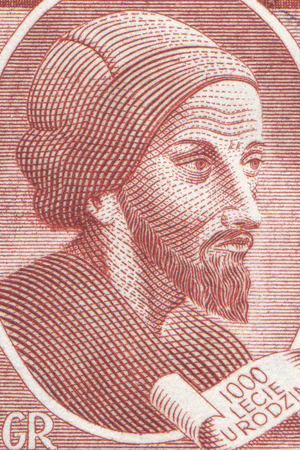
Islamic physicians and alchemists transmitted their expertise in the 11th century. The renewed interest in aromatherapy is credited to the Persian physician and alchemist Ibn Sina, known as Avicenna.
He devised a condensing coil for steam distillation, which made extracting essential oils far more efficient. Consequently, essential oils and aromatherapy regained prominence.
This discovery gave us “the essence of Rose”, and was distilled through a process now known as a refrigerated coil. Of note it was at this time the process for the distillation of alcohol was discovered. This made it possible to produce aromatic perfumes without a thick and oily base.
Avicenna, an Arabic Physician (A.D 980 to AD 1037) is the person accredited to have discovered the process of distillation to harvest the aromatic oils. Ibn Sina’s Canon of Medicine remained the leading medical textbook until the 16th century; in it he recommended essential oils and infusions for treating both physical and mental ailments.
Medieval and Renaissance Developments
Monks as the guardians of knowledge
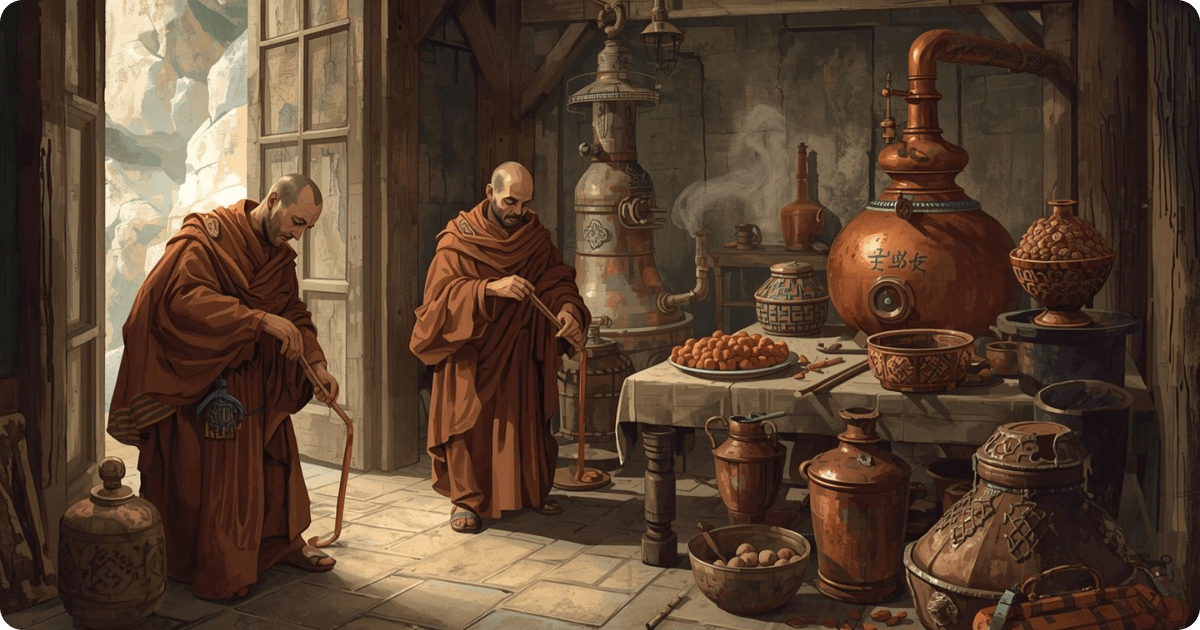
During the Medieval and Renaissance periods, European monasteries played a central role in preserving herbal traditions and medical knowledge. Monks cultivated medicinal plants in abbey gardens, maintaining and transmitting expertise in remedies and medical practices across generations. Their research and stewardship of this knowledge also contributed to the development of aromatherapy, underscoring the lasting value of aromatic plants and their healing properties.
Medieval texts and Treatises On Aromatics
Medieval writings, such as Masawaiyh’s “On Simple Aromatic Substances” and al-Khāzin’s “Kitāb al-Ṭīb (The Book of Aromatics),” documented the uses and properties of aromatic plants and advanced the study of aromatherapy. These works offer valuable insights into how aromatics were understood and applied in the medieval era, reflecting a sustained interest in their therapeutic potential. Practical knowledge of aromatherapy, cultivated over centuries, has been passed down through generations and continues to inform our modern use of aromatic plants and essential oils.
The History of Aromatherapy And The Chinese.
Shen Nung, the author of what is believed to be the oldest surviving medical reference text in China (dated around 2700 BC) contains health related information of the use of over 300 plants.
It clearly references the practice of a medicinal aromatherapy alongside accepted religious practices of using aromatic herbs, burning of aromatic woods and lighting incense in reverence to God.
Other historical references to the use of aromatherapy and essential oils in civilizations and as a recognized medical practice are seen in India, South America and North America.
The History of Aromatherapy – India.
The traditional medical practice of Ayurveda, from India, is over 3000 years old and incorporates aromatic massage as a key aspect.
Aromatherapy In South America.
The Aztecs were well known for their use of herbal remedies and aromatic medicines.
Montezuma’s botanical gardens were filled with medicinal plants and were discovered when the Conquistadores invaded the Aztec nation.
The History of Aromatherapy – North America.
Herbal Oils and Aromatic Remedies were widely used by North American Indian cultures. It was not until the 19th century that physicians and scientists across Europe began to properly research Aromatherapy and in particular the impact of essential oils on bacteria.
The Beginnings Of Modern Aromatherapy and Essential Oils.
René Maurice Gattefossé, a French physician is credited as being the “Father” of Modern Aromatherapy.
After burning his hand in his laboratory he applied lavender oil and was amazed at how quickly the injury healed.
This led him to begin scientific research on the healing properties of essential oils and aromatics.
His book “Aromathérapie: Les Huiles Essentielles, Hormones Végétales“, published in 1937, contains his research on the anti-microbial effects of the oils.
This is where the terms Aromatherapy originates.

Following the publication of his book he continued his research and went on to establish a business producing oils for use in fragrances and cosmetics.
Gattefosse was not alone in the researching of aromatherapy oil usage.
Other French researchers also published material and medical references in the usage of Aromatherapy oils.
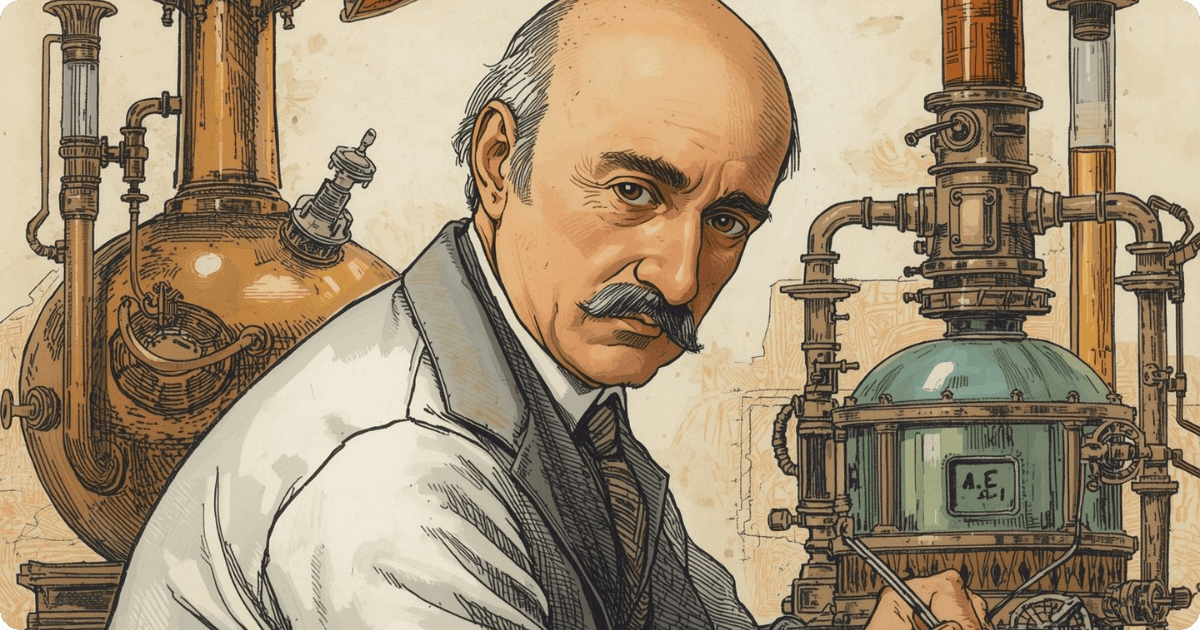
Albert Couvreur, published a medical reference on the usage of essential oils for healing around the same time as Gattefosse.
French doctor Jean Valnet began further research about essential oils and healing after reading Gattefosse’s work.
Valnet used essential oils as a major part of treating wounded soldiers and civilians during the war and was amazed by their enormous positive impact on healing and recovery.
He published “The Practice of Aromatherapy: A Classic Compendium of Plant Medicines and Their Healing Properties” in 1964.
Around this time Marguerite Maury, another French citizen and highly regarded biochemist developed the method of applying these oils to the skin with massage.
However it was Micheline Arcier, after studying and working directly with Maury and Valnet who combined their remedial practices and guidelines to create the form of Aromatherapy now used worldwide.
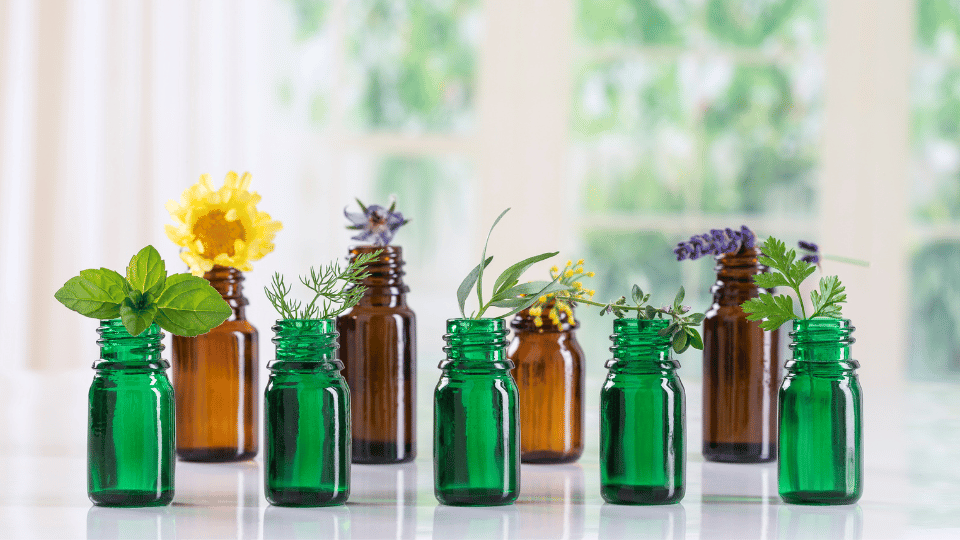

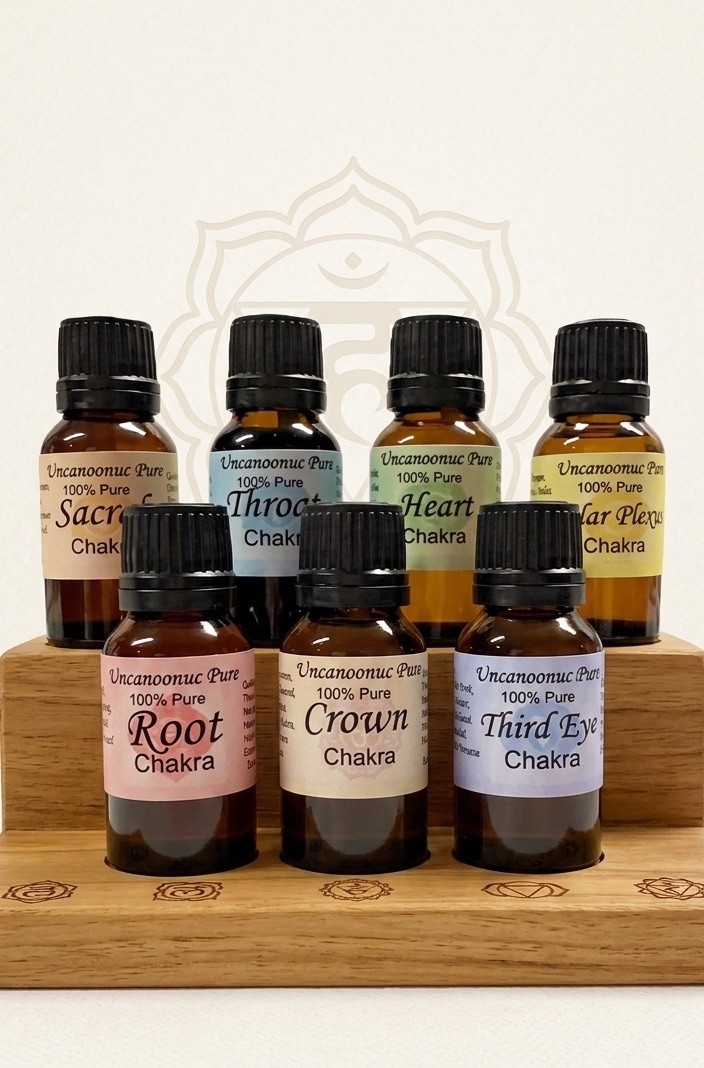
The History of Aromatherapy Essential Oils.
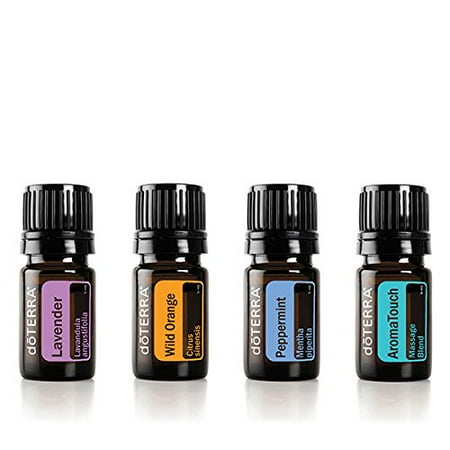
Aromatherapy Oils are a combination of the volatile essential plant oils that are usually mixed with a carrier oil (such as coconut or ground-nut) and are used in the treatment or prevention of disease.
The oils when used in aromatherapy is designed to treat the whole person, as holistic therapy, not just the treatment of disease manifestation.
It is claimed that the use of essential oils assists the body’s natural ability to balance, regulate, heal and maintain itself.
Aromatherapy oils consist of tiny aromatic molecules from plant and herb essential oils that are readily absorbed via the skin and whilst breathing they enter the lungs.
Once the aromatherapy oil therapeutics enter the body they are absorbed into the bloodstream and travel quickly throughout the body to deliver healing.
Essential oils are added to carrier oil due to their extreme concentration.
Only a very small quantity of pure essential oils are required to bring about the desired health related results. If you are looking for some of the very best essential oils? Try Edens Garden Oils – they are great value and excellent quality.
Other uses for Aromatherapy Oils are varied, they can be found in beauty products, calming sprays for pets, and even homemade bug sprays!
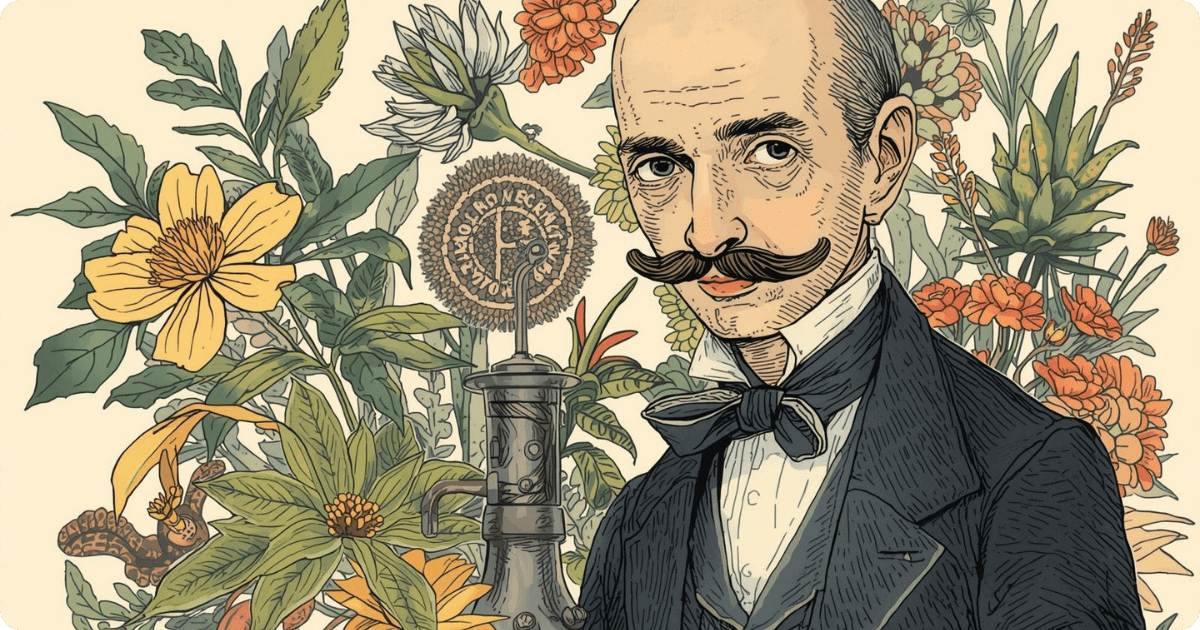
Blending Technology with Tradition
The blending of modern technology with traditional methods is redefining aromatherapy, leading to innovative treatment and application techniques. Merging contemporary tools with time-honored practices enables the creation of new approaches, offering more personalized and effective aromatherapy experiences. This convergence of tech and tradition promises a bright future for aromatherapy as it continues to evolve into a more comprehensive healing practice.
Integration of Science with Tradition
Modern applications of aromatherapy include: clinical research; blending traditional methods with contemporary science; use of essential oils, which have been part of cultural practices for thousands of years; and scientific investigation into their therapeutic effects on body and mind. This melding of science and tradition supports the development and deeper understanding of aromatherapy as a holistic healing approach.
Contemporary Application and Clinical Research
Essential oils are increasingly used in clinical settings amid growing interest in holistic health. Aromatherapy is applied for: pain relief; mood improvement; promoting relaxation; and lowering anxiety and stress. Its rising popularity today is driven by greater recognition of the benefits of natural remedies and a preference for integrative approaches to health and wellbeing.
Essential Oils In Medical Practice
Essential oils have gained a notable role in clinical environments because of their therapeutic qualities. They have been incorporated into various treatments to assist with pain management, mood enhancement, relaxation, and stress and anxiety reduction. Their use in clinical practice reflects a broader acceptance of aromatherapy as a complementary option alongside conventional medicine, representing a meaningful move toward holistic care.
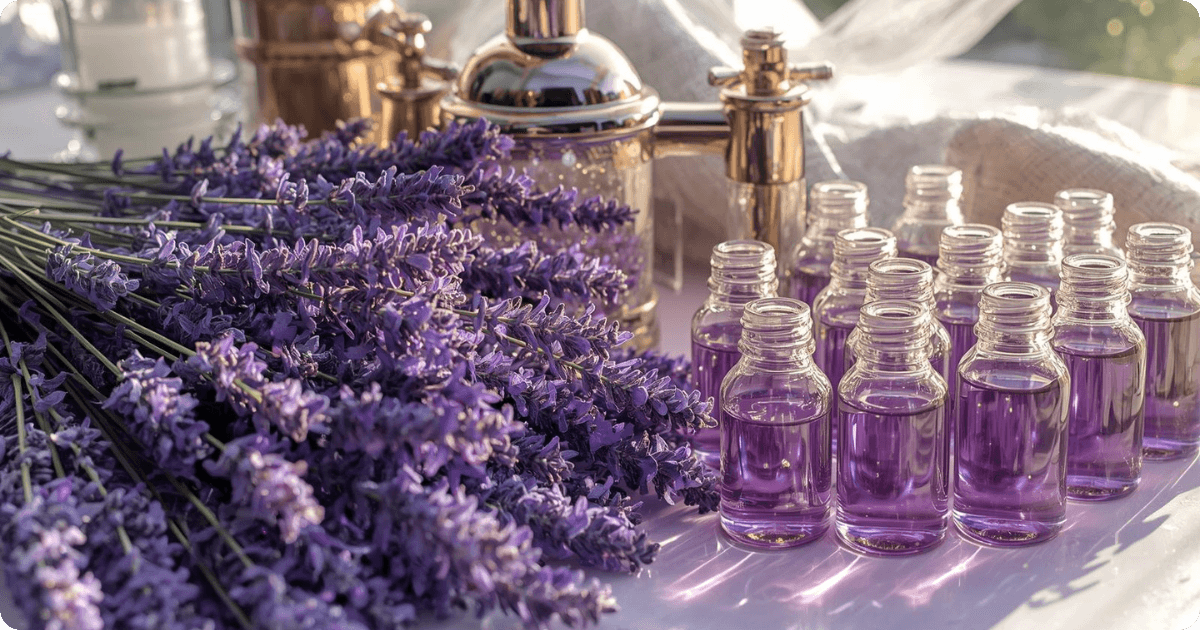
Personalized Approaches to Essential Oils
The future of aromatherapy looks promising, driven by new extraction and application technologies, sustainable cultivation methods, and improved diffusion techniques that are helping scent gain recognition as a legitimate modern medical approach. Exciting developments in the field and the potential for further innovation invite ongoing exploration.
Innovative Extraction and Application Technologies
Advances in technologies for harvesting and applying essential oils are enabling more sustainable farming and production within the aromatherapy sector. Modern methods like CO2 extraction boost efficiency, improve safety, and reduce environmental impact in essential oil production. These improvements are shaping aromatherapy’s future by supporting its sustainability and growth.
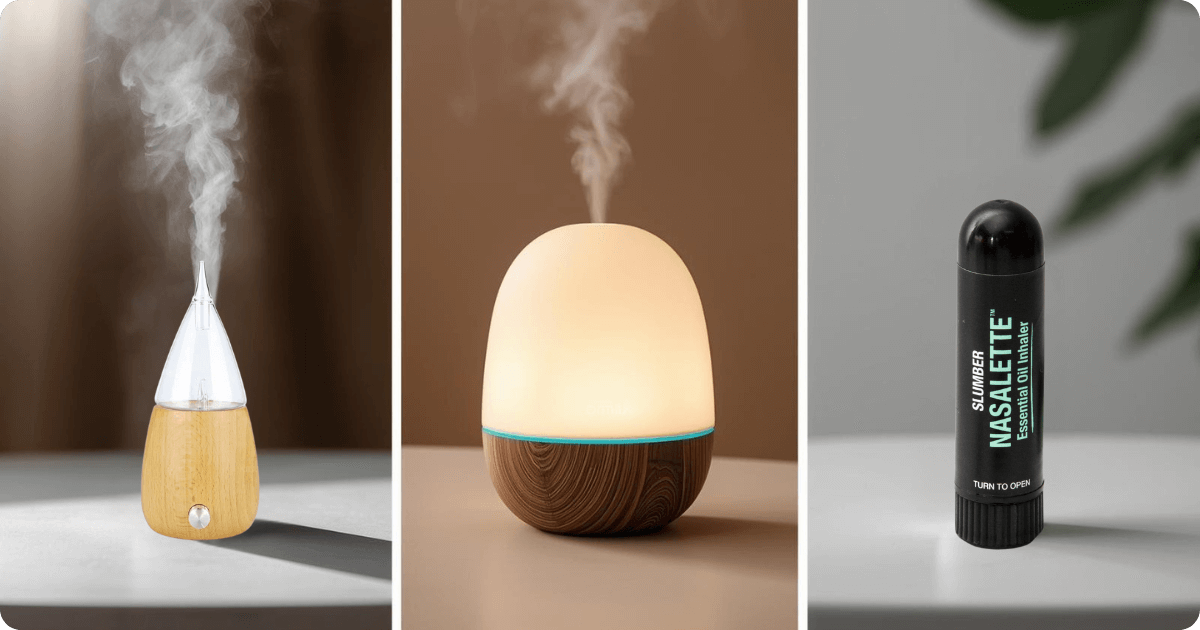
Advanced Diffusion and Inhalation Methods
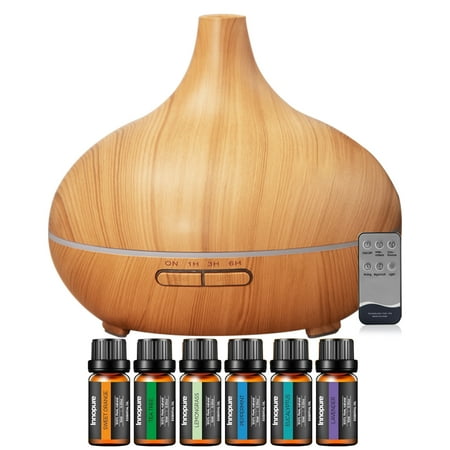
Enhanced diffusion and inhalation techniques are being developed to amplify the therapeutic effects of aromatherapy. Tools such as nebulisers, ultrasonic diffusers, and inhalers present novel ways to deliver essential oil benefits, allowing for more personalised and effective treatments across various conditions. Improvements in diffusion and inhalation tech are creating a more tailored and enjoyable aromatherapy experience, changing how the practice is used.
The Emergence Of Personalised Aromatherapy and Individual Responses
Personalised aromatherapy is becoming more common, with treatments designed around each person’s unique needs. By assessing individual responses and selecting the most suitable essential oils and products, personalised approaches can boost health and well-being, increase relaxation, and foster a stronger sense of balance and harmony. This trend signals a new phase in aromatherapy, where care is increasingly customised to meet specific preferences and requirements.
I hope you have enjoyed this article and now know the answers about the history of aromatherapy and essential oils. Please do leave a comment or ask a question and I will get back to you ASAP. I can also be contacted by clicking here.